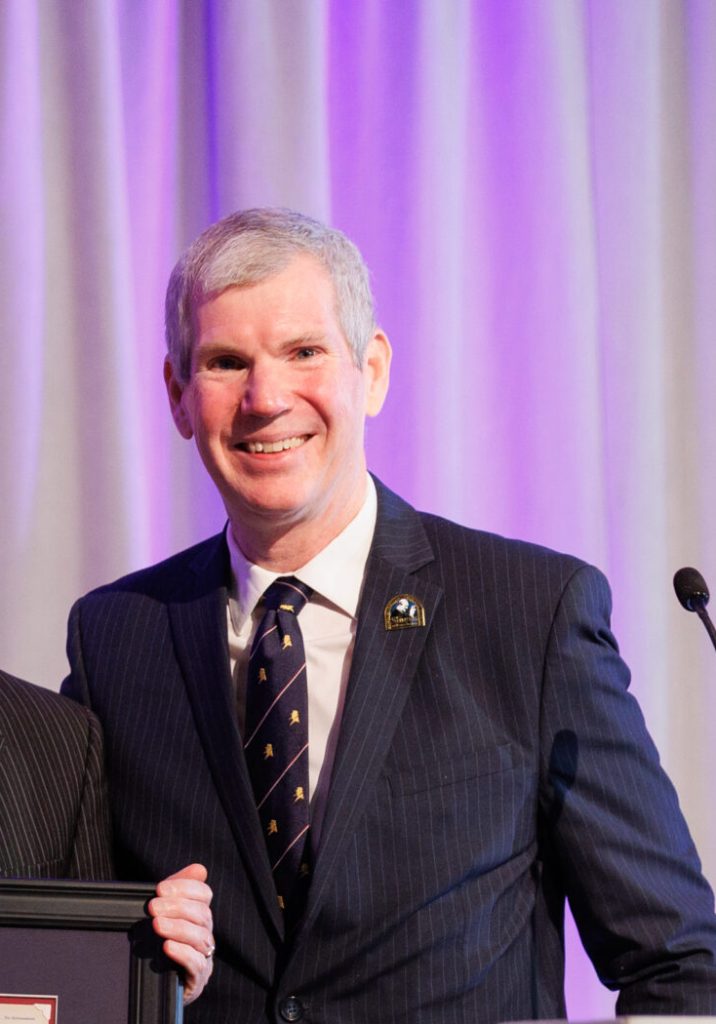
The Hottest Ticket in Town, 1946 By Donald P. Lofe, Jr. President and Chief Transformation Officer and Churchill Fellow, Westminster CollegeDirector, International Churchill Societ...
The First World War was to provide the first major setback to Churchill’s political career. In December 1914, at the age of forty, Churchill was eager not just to run the Navy but to manage the war itself. Demonstrating his usual self-confidence, drive and determination, Churchill looked for creative ways to engage the enemy, including an attack on the Dardanelles Straits. The high-risk offensive operation went ahead. It soon became clear that the planning of the operation was beyond the capabilities of the British leaders.
During the Second World War, Churchill had little red labels attached to important documents with the words ‘Action This Day’. It was one of the many ways in which he sought to drive and enthuse those around him. In this section you’ll learn more about Churchill’s lifelong desire to be at the centre of the action.
Churchill had long been a strong advocate of the need for modern war weaponry Although a cavalry man, he’d experienced the realities of war at first hand Horses – and men –...
Churchill took up painting in 1915 at the age of forty after his sudden fall from office over the disastrous Dardanelles campaign. He hoped it would provide a distraction, and he threw himself into it wholeheartedly.
Introduced by Richard M Langworth For better or worse, it was Colonial Secretary Winston Churchill who chaired the 1921 Cairo Conference which created the Middle East borders we still know today What...
Breakfast cereals, self-raising flour, yeast, baking powder, jelly, custard powder, lentils, pickles, margarine and dried vegetables were all 'invented' during the twentieth century.
Many professional footballers served in the forces, including Tottenham Hotspur’s Walter Tull and Bradford Park Avenue’s Donald Bell who became the only professional footballer to be awarded the Victoria Cross Other sportsmen...
During the First World War, Emmeline Pankhurst’s Suffragette movement turned its efforts away from violent protests towards encouraging women to contribute to the war effort. The war offered greater opportunities for women to work, replacing men who had been sent to the front line; they became drivers, plumbers, postwomen, clerks and land workers, as well as workers in dangerous munitions factories producing weapons and shells. And in the Second World War, many women served in the uniformed services, too, contributing in a more active way to the war effort. It's often felt that women's roles in both wars were instrumental in securing the eventual political and social liberation many enjoy today.
In October 1914, Churchill managed to engineer a position at the centre of an ill-fated land battle, despite being in charge of the Navy The Germans, pushing into Belgium and France,...
Get the Churchill Bulletin delivered to your inbox once a month.
Δ
Join the International Churchill Society today! Membership starts at just $29/year.