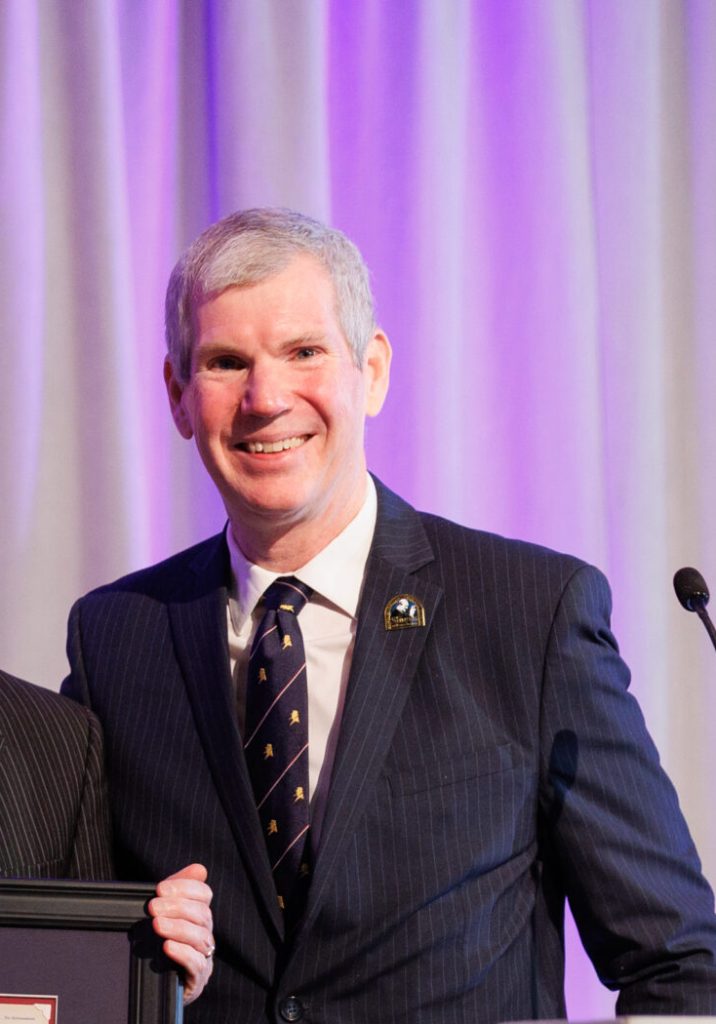
The Hottest Ticket in Town, 1946 By Donald P. Lofe, Jr. President and Chief Transformation Officer and Churchill Fellow, Westminster CollegeDirector, International Churchill Societ...
A postcard, titled ‘Offensive against Antwerp’ depicting the scene on 8 October 1914 Private collection of Wolfgang Sauber copyright: By Anonymous (private collection of Wolfgang Sauber (Xenophon)) [Public domain or...
This is the telegram sent from ‘Admiralty’ (under Churchill) to All Ships, stating that the War Telegram, to be issued at midnight on 4 August 1914, would authorise the commencement of...
Painting by Willy Stöwer (1864-1931) showing the end of the Siege of Antwerp (1914) copyright: Willy Söwer [Public domain], via Wikimedia Commons...
W Beach (Lancashire Landing) at Cape Helles, Gallipoli, 7 January 1916, just prior to the final evacuation of British forces during the Battle of Gallipoli The explosion of a Turkish shell...
Here he writes to his brother, Jack, who was with the forces in the Dardanelles, saying ‘the vital thing is not to break off because of losses but to persevere This...
Churchill ‘during one of his darkest hours’, 1916, by Sir William Newenham Montague Orpen, oil on canvas copyright: Lent by the Churchill Chattels Trust; Image National Portrait Gallery, London...
Before too long, rather than playing with his nephew’s watercolour paint-box, Churchill was tackling oil painting. On learning of Churchill’s experimentation and enthusiasm a near neighbour, Sir John Lavery, the renowned Anglo-Irish and official First World War artist, together with his talented artist wife Hazel, gave practical advice and help and encouraged this new hobby. Later in 1915, Churchill was often to be found working in Lavery’s studio in London, not far from the house Churchill and his brother Jack were sharing, with their families, on Cromwell Road. Churchill was to take his paints with him wherever he travelled – at home and abroad – throughout this life. Enthralled with his new hobby, he painted during the First World War while at the Western Front in early 1916 (as a Lieutenant-Colonel with the 6th Battalion Royal Scots Fusiliers), at ‘Plug Street’ (Ploegsteert) in Flanders. On his return from the First World War and during the 1920s, even when embroiled again in political life, Churchill continued to paint. In fact, painting intensified as a pleasure and it was at this time that he wrote two articles about it, praising the enormous rewards to be gained from painting as a pastime.
Introduced by Richard M Langworth...
copyright: Churchill Archive Papers...
Get the Churchill Bulletin delivered to your inbox once a month.
Δ
Join the International Churchill Society today! Membership starts at just $29/year.