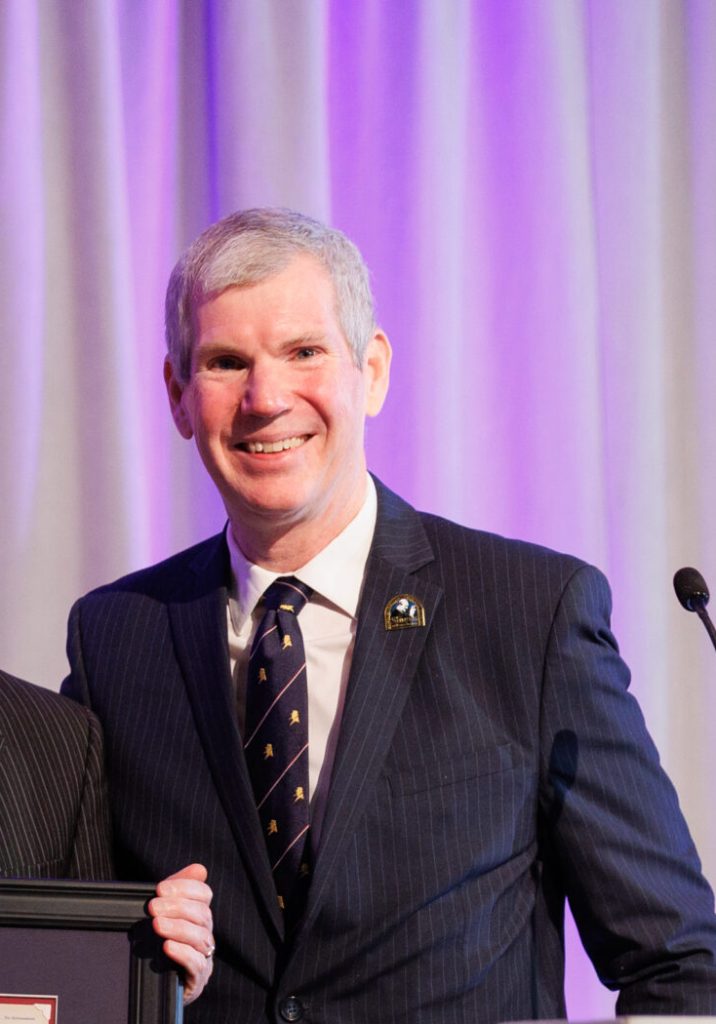
The Hottest Ticket in Town, 1946 By Donald P. Lofe, Jr. President and Chief Transformation Officer and Churchill Fellow, Westminster CollegeDirector, International Churchill Societ...
copyright: IWM...
Death is only an incident, and not the most important one which happens to us in the state of being … look forward, feel free, rejoice in life, cherish the children, guard our memory. God bless you.
When war broke out many sports cancelled all fixtures. The Football League, however, continued as normal throughout the 1914–15 season. There are also various accounts which record British and German troops playing football during the 1914 Christmas Truce. It’s also said that on 1 July 1916, men of the East Surrey Regiment, encouraged by Captain ‘Billie’ Nevill, went ‘over the top’ kicking footballs. During the First World War sport helped to keep people fit and to distract them from the events which were going on around them. To hear more about this listen to on Sport in War from the Imperial War Museum. Click to find out more about how Britain thought football could help to win the war.
Everything trends towards catastrophe & collapse. I am interested, geared up & happy. Is it not horrible to be built like that?
In 1917, when Germany began sinking ships that were bringing food (and military equipment) to Britain, and the country had just six weeks' food left, the Government initiated the rationing of food supplies. Even after the end of the war, sugar and butter remained rationed until 1920. Bread was subsidized but in 1917, British people were told to eat twenty five per cent less. Even the fighting troops had their food rationed. Compare . The US faced similar issues during the First World War. The country was in a severe economic depression, with many living in poverty, and .
We are defeated at sea because our admirals have learned – where I know not– that war can be made without running risks.
It will be better to engage Germany on new frontiers … Naval command of the Baltic must be secured.
It is no use saying, “We are doing our best.” You have got to succeed in doing what is necessary.
The First World War was to provide the first major setback to Churchill’s political career. In December 1914, at the age of forty, Churchill was eager not just to run the Navy but to manage the war itself. Demonstrating his usual self-confidence, drive and determination, Churchill looked for creative ways to engage the enemy, including an attack on the Dardanelles Straits. The high-risk offensive operation went ahead. It soon became clear that the planning of the operation was beyond the capabilities of the British leaders.
Get the Churchill Bulletin delivered to your inbox once a month.
Δ
Join the International Churchill Society today! Membership starts at just $29/year.