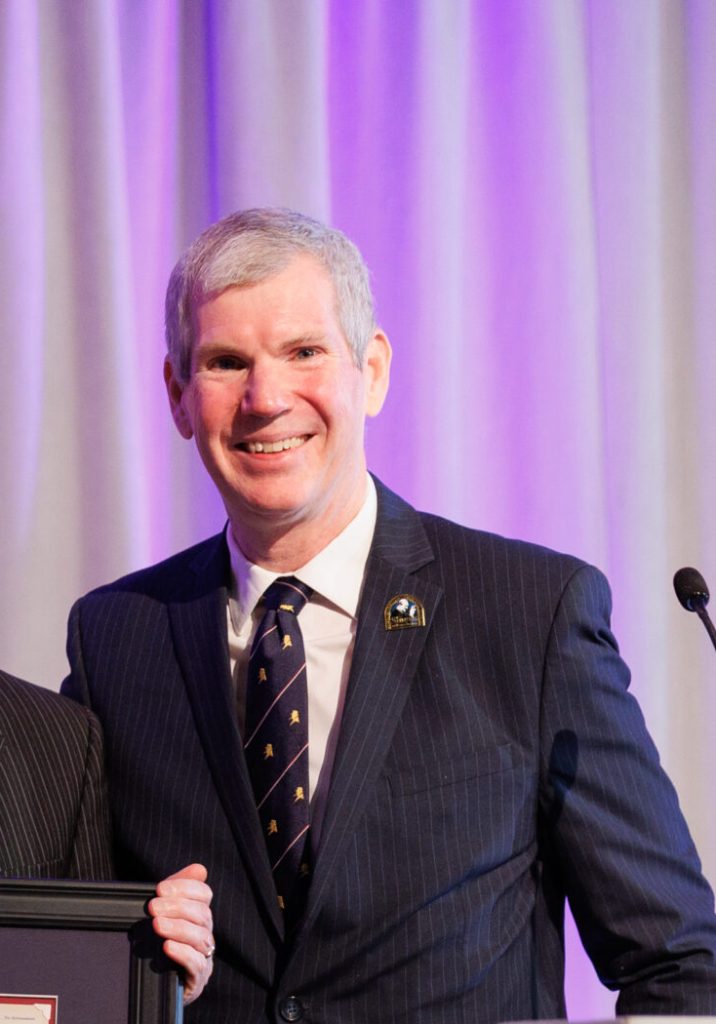
The Hottest Ticket in Town, 1946 By Donald P. Lofe, Jr. President and Chief Transformation Officer and Churchill Fellow, Westminster CollegeDirector, International Churchill Societ...
Finest Hour 183, First Quarter 2019 Page 43 Review by David Freeman David Freeman is editor of Finest Hour Allen Packwood, How Churchill Waged War, Frontline, 2018, 260 pages, £25/$3495 ISBN 978–1473893894 Reflecting on his...
Finest Hour 180, Spring 2018 Page 20 By Fred Glueckstein Fred Glueckstein is a frequent contributor to Finest Hour and author of Churchill and Colonist II (2014) On 9 December 1905, Prime Minister Sir...
Finest Hour 180, Spring 2018 Page 28 By Christos Bouris Christos Bouris is a postgraduate student in the faculty of History and Archaeology at the National and Kapodistrian University of Athens At Christmastime 1944,...
Finest Hour 180, Spring 2018 Page 40 By Michael McMenamin 125 Years ago Spring 1893 • Age 18 “A Little Paternal Advice” Winston spent the spring of 1893 “cramming” with Captain Walter James for the Sandhurst...
Finest Hour 177, Summer 2017 Page 12 By W Mark Hamilton At the start of his parliamentary career in 1901, Winston Churchill promoted the old Victorian themes of “peace, retrenchment, and reform,” but at...
1 December 2015: The Legatum Institute was pleased to host the Churchill 21st Century Leadership Programme and King’s Think Tank for a debate with the Chair of the Intelligence and Security...
In January 1950, a general election was called and this time Churchill took a more measured approach in his campaigning, avoiding those outright attacks on socialism he’d made in 1945. By a tiny margin (six seats), the Labour government won the election. Churchill carried on in opposition, calling for collaboration between Britain, the US and the Soviet Union (a new approach to diplomacy and the first mention of a ‘summit’ meeting). He also backed the government’s approach to the Korean War which broke out in 1950. Then, in October 1951, the Conservative Party won the general election (with a small majority), and Churchill returned as Prime Minister.
Following his blunder over India, Churchill’s judgement was again called into question in late 1936 and early 1937. The new king, Edward VIII, wanted to marry the American divorcée Mrs Wallis Simpson, a situation that prompted a constitutional crisis (kings weren’t allowed to marry divorced ‘commoners’; if the king went ahead, he’d have to ‘abdicate’, or step down as king).
Not satisfied with only Austria, Hitler began demanding parts of Czechoslovakia, too. In September 1938, with war against Germany seeming increasingly likely, Prime Minister Neville Chamberlain flew to Munich (according to a British Pathe newsreel, his first trip in an aeroplane), to meet the German leader. His aim of this ‘mission of peace’ was to secure a guarantee that there’d be no further German aggression.
Get the Churchill Bulletin delivered to your inbox once a month.
Δ
Join the International Churchill Society today! Membership starts at just $29/year.