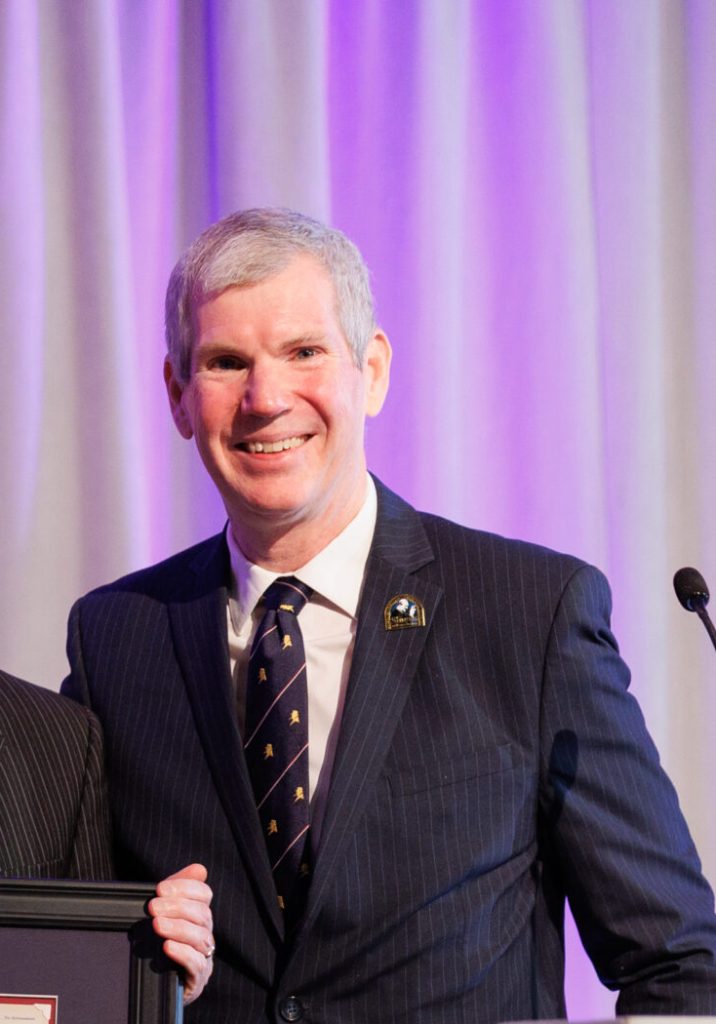
The Hottest Ticket in Town, 1946 By Donald P. Lofe, Jr. President and Chief Transformation Officer and Churchill Fellow, Westminster CollegeDirector, International Churchill Societ...
He also loved Monaco From 1945, he regularly visited Monte-Carlo and stayed at the Hotel de Paris for year-end festivities In the 1960s, he stayed here on the invitation of his...
V H Mottram’s (1932) gives recipes to help families economise: For the “really poor”, ingredients include white and brown bread, suet white flour, rice, tapioca, sago, potatoes, dates, currants and figs. For the “merely poor”: butter, parsnips, raisins, milk, sweet biscuits, some pork and beef. Those on a ‘moderate income’ could turn to (1937), with twelve menus for breakfasts, luncheons and dinners for all four seasons. Recipes included salmon mayonnaise, roast fowl, asparagus with cream sauce, oysters , fillets of Beef a la St Aubyn, roast partridge and all kinds of fish – fresh, saltwater and shellfish.
Churchill’s desire to play a more important role in the war – and in politics – came a step closer when David Lloyd George toppled Asquith to become Prime Minister of a coalition government in December 1916. By July 1917, his old Liberal ally and mentor was confident enough to take the risk of reintroducing Churchill – now largely exonerated of sole blame for the Dardanelles – into Government. Lloyd George appointed Churchill Minister of Munitions, putting him in charge of forging the weapons of war.
After the war, Churchill was haunted by the threat of the Bolsheviks – the ‘Red Peril’ – and the Revolution in Russia. Although he was under instruction from the war cabinet to withdraw the 14,000 British troops still in Russia following the end of the war, he argued passionately in 1919 that the allies should send extra troops, money and supplies to support the white Russian forces, but there were battles to fight closer to home.
When Churchill returned to the Conservative party in 1924, Stanley Baldwin, keen to be associated with moderate social reform, promoted him to Chancellor of the Exchequer. Churchill’s period as Chancellor was one of the happiest and most settled phases of his career. He was almost at the top.
The First World War was to provide the first major setback to Churchill’s political career. In December 1914, at the age of forty, Churchill was eager not just to run the Navy but to manage the war itself. Demonstrating his usual self-confidence, drive and determination, Churchill looked for creative ways to engage the enemy, including an attack on the Dardanelles Straits. The high-risk offensive operation went ahead. It soon became clear that the planning of the operation was beyond the capabilities of the British leaders.
In 1921, Churchill was tasked with the complex process of managing the situation in the Middle East. Keen to limit the expense involved in the British occupation of the former Ottoman territories of Palestine and Mesopotamia (Iraq), he proposed that they should be run by a Middle East department of the Colonial Office. Set up in February 1921, its staff included T. E. Lawrence, ‘Lawrence of Arabia’.
In May 1926 the Trades Union Congress called a national stoppage – or general strike – in support of the miners who were being asked to work longer hours for less...
In 1900, most Londoners ate their meals at home. Most working men returned home for their midday meal and those who didn’t ate plain British food in plain British ‘chophouses’. Wealthy men dined out at their clubs or, if they were very adventurous, at French restaurants. During the Second World War, restaurants were initially exempt from rationing; the wealthy were supplementing their rations by eating ‘luxury’ off-ration food. This was strongly resented by those unable to afford to eat out; new restrictions were introduced in May 1942 so that restaurants weren’t able to charge more than five shillings per customer and meals couldn’t be more than three courses (and only one of these could contain meat or fish or poultry). But even restaurants couldn't always offer escape from the monotony of potatoes, oats and cabbage: in 1944 Simpson's-in-the-Strand was serving Creamed Spam Casserole.
Get the Churchill Bulletin delivered to your inbox once a month.
Δ
Join the International Churchill Society today! Membership starts at just $29/year.