StoryElement
Radio and television
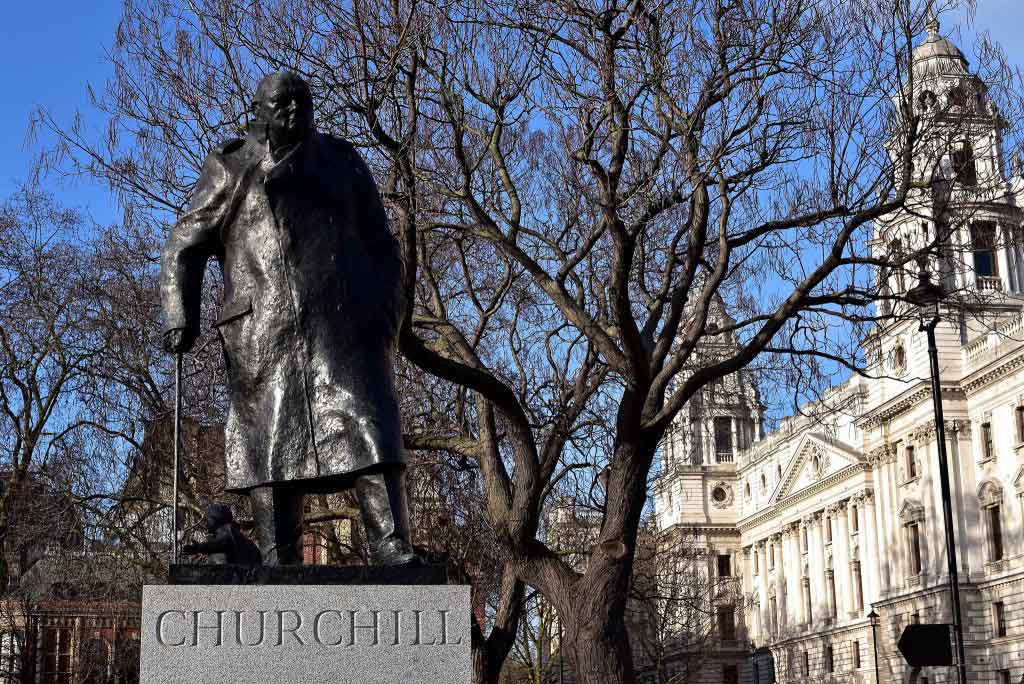
Winston Churchill, Parliament Square, London © Sue Lowry & Magellan PR
January 1, 1970
Mass-produced objects such as radios and televisions had an important influence on culture. Radio broadcasts brought people from different regions and different social backgrounds together as they listened to the same news, advertisements and entertainment.
In the 1920s radio and television also helped to popularise jazz and blues music, which began to fill the dance halls and speakeasies, the illegal bars which sprung up in response to the ban on the sale and production of alcohol (prohibition) in the United States. While many young people enjoyed these new dance crazes, others were afraid of the rapid social change they saw happening around them, seeing it as a threat to traditional morality. Radio, along with Hollywood, also helped to spread racial and class stereotypes.
During the Second World War, radio and television were used to keep the general public informed about the latest developments on the front line – and to inspire patriotism. They were also used to broadcast propaganda films such as this one from the Ministry of Information encouraging people to save food.




Subscribe
WANT MORE?
Get the Churchill Bulletin delivered to your inbox once a month.