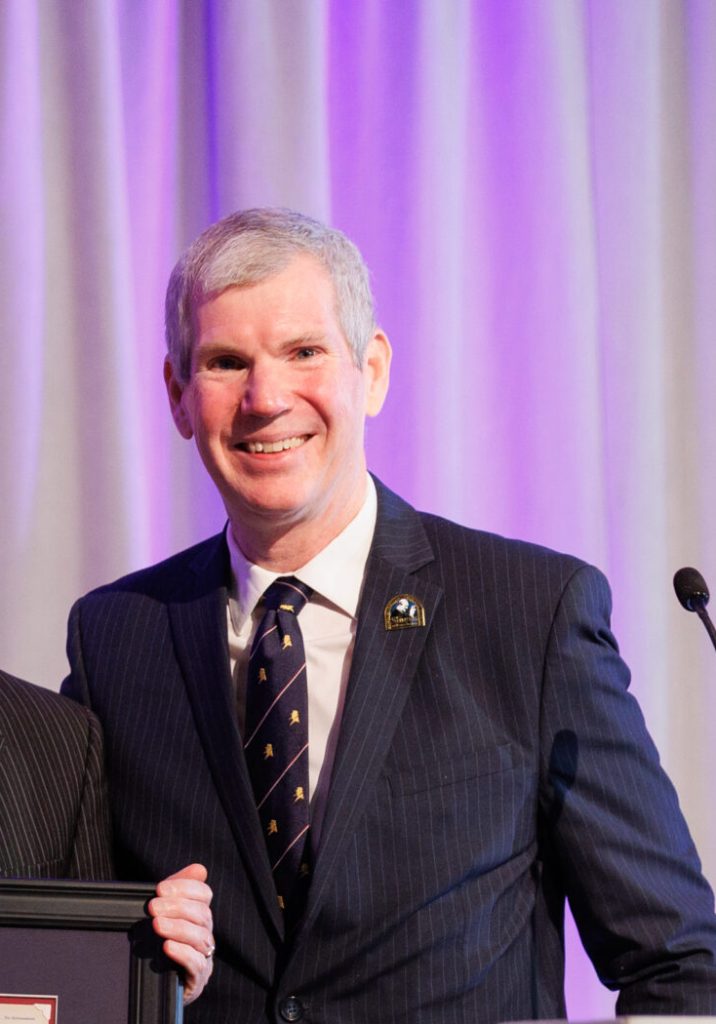
The Hottest Ticket in Town, 1946 By Donald P. Lofe, Jr. President and Chief Transformation Officer and Churchill Fellow, Westminster CollegeDirector, International Churchill Societ...
Churchill’s memoirs, contain very little about the Holocaust; his memoirs concentrate on political and military strategy. He’d been aware of the atrocities committed against Jews on the eastern front since 1941 and did speak out, calling for the execution of the guilty after the War. Churchill was strongly in favour of arming the Jews and this eventually led to the creation of a Jewish Brigade. In 1944 he responded to the wholesale deportation of Jews from Hungary to Auschwitz by backing plans to bomb the railways that transported them, though the deportations ceased and the order was not carried out. Some have argued that he could have done more to bomb the camps, though there is little doubt that he saw the total defeat of Nazi Germany as the best way of ending the terror. Did Churchill have knowledge of the Holocaust and do nothing? Find out .
Dr Warren Dockter (University of Cambridge) and Professor Richard Toye (University of Exeter) discuss Winston Churchill’s book The River War https://wwwyoutubecom/embed/3Bq3lrsfYMk?list=PLVRJoyIOeaRK4eDDCZ_GOgIAXWOcRtmf- copyright: Dr Warren Dockter and Professor Richard Toye...
copyright: IWM (BU 8962)...
Churchill having dinner with Stalin and Roosevelt at Teheran on his sixty-ninth birthday, 30 November 1943 copyright: Reproduced from The Broadwater Collection with the permission of Curtis Brown Group Ltd,...
This is Churchill’s engagement card for July 1940, written in his own hand and those of various private secretaries It was common for Churchill, although possibly not for most other men...
What General Weygand called the Battle of France is over. I expect that the battle of Britain is about to begin.
The war had been fought to make sure that the smallest state should have the power to assert its lawful rights against even the greatest, and this will probably be for several generations an enduring fact.
In the First World War Clementine surprised herself with her ability to organise canteens for Munitions workers on behalf of the Young Men’s Christian Association (YCMA) In the Second World War she...
But Churchill needed to keep his eye on developments at home, too. Although winning allies and guaranteeing Britain the support it needed if Germany was to be defeated was vital, he also had to keep morale in Britain high. With his usual energy and indefatigable determination, he kept up a relentless tour of troops, dockyards, munitions factories, troop inspections – and surveying bomb damage. Churchill rallied the people of Britain with stirring speeches.
Get the Churchill Bulletin delivered to your inbox once a month.
Δ
Join the International Churchill Society today! Membership starts at just $29/year.