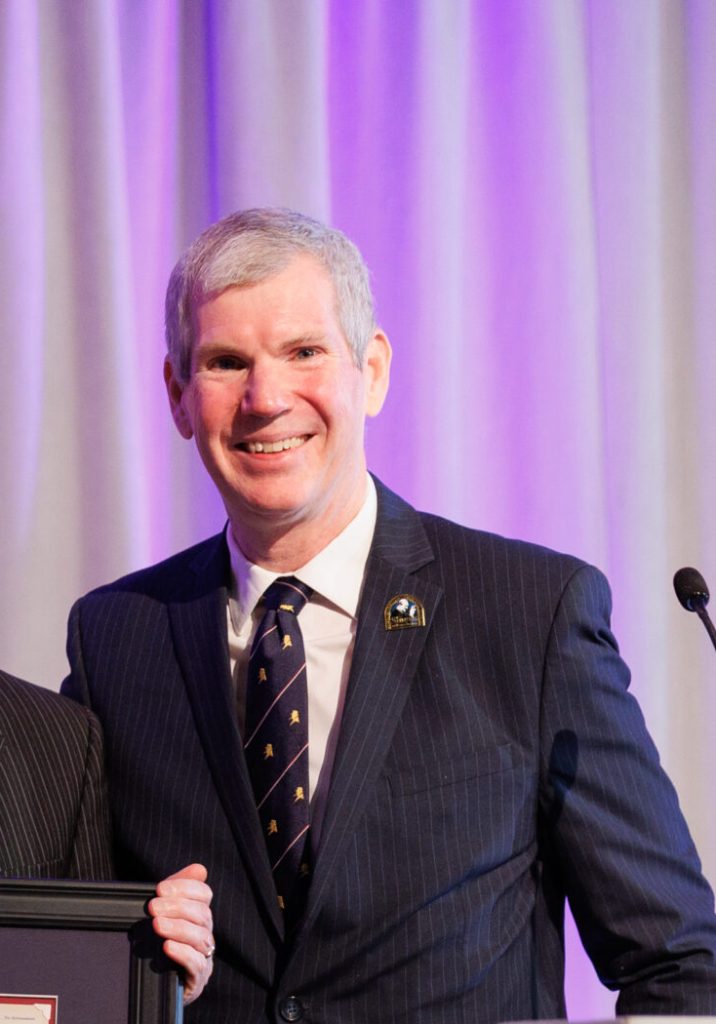
The Hottest Ticket in Town, 1946 By Donald P. Lofe, Jr. President and Chief Transformation Officer and Churchill Fellow, Westminster CollegeDirector, International Churchill Societ...
The war ground slowly on. In late 1941 and 1942, disaster followed disaster as Germany and their Japanese allies gained the upper hand. On Christmas Day 1941, Hong Kong surrendered to the Japanese, with Singapore falling only a few weeks later, on 15 February 1942; Rangoon followed soon after. Japan moved on to threaten Australia. In Greece, the Mediterranean and north Africa the situation was no better. Tobruk, in north Africa, fell to the German forces. Churchill flew to Cairo to change Middle East command on 2 August, replacing General Auchinleck with General Alexander, and putting General Montgomery in command of the British Eighth Army. On 12 August 1942, Churchill flew to Moscow for his first meeeting with Stalin, to tell him that the western Allies weren’t in a position to attack in Europe that year – they didn’t have sufficient resources – and would instead focus on forcing German retreat from north Africa. Stalin was always against this strategy and continued to argue that a western, European invasion was the only way to defeat Germany (and to relieve pressure on Soviet forces fighting in the east). It will perhaps seem surprising to future generations to know that Churchill faced two votes of no confidence in his government in January and July 1942. Though he won them easily, they show that Britain was not always united and that Churchill remained answerable to the will of Parliament.
In 1900, most Londoners ate their meals at home. Most working men returned home for their midday meal and those who didn’t ate plain British food in plain British ‘chophouses’. Wealthy men dined out at their clubs or, if they were very adventurous, at French restaurants. During the Second World War, restaurants were initially exempt from rationing; the wealthy were supplementing their rations by eating ‘luxury’ off-ration food. This was strongly resented by those unable to afford to eat out; new restrictions were introduced in May 1942 so that restaurants weren’t able to charge more than five shillings per customer and meals couldn’t be more than three courses (and only one of these could contain meat or fish or poultry). But even restaurants couldn't always offer escape from the monotony of potatoes, oats and cabbage: in 1944 Simpson's-in-the-Strand was serving Creamed Spam Casserole.
Dr Warren Dockter (University of Cambridge) and Professor Richard Toye (University of Exeter) discuss the speech which Winston Churchill gave in the aftermath of the sinking of the French Fleet on...
copyright: IWM (H 41846)...
Churchill watching an attack on a German-held ridge in Italy by 8th Army troops, with General Sir Harold Alexander, Commander-in-Chief of the Mediterranean forces, 26 August 1944 copyright: IWM (NA...
copyright: IWM (HU 1129)...
In July 1945, Churchill attended his final act of the War; the first sessions of the Potsdam Conference – the last time he would meet Stalin – where...
Get the Churchill Bulletin delivered to your inbox once a month.
Δ
Join the International Churchill Society today! Membership starts at just $29/year.