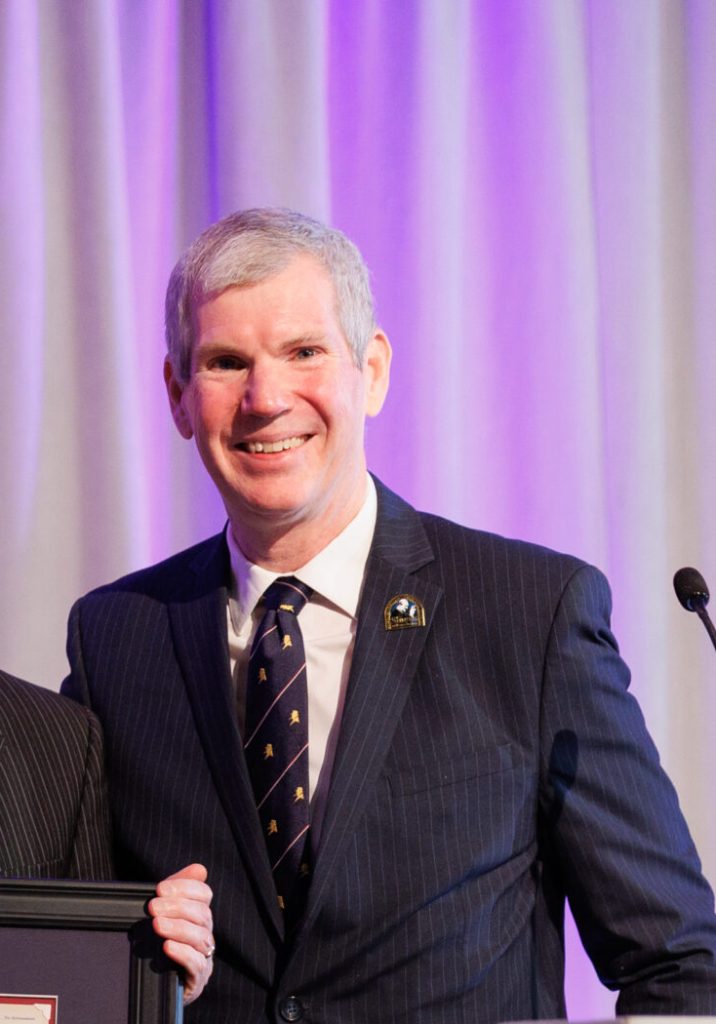
The Hottest Ticket in Town, 1946 By Donald P. Lofe, Jr. President and Chief Transformation Officer and Churchill Fellow, Westminster CollegeDirector, International Churchill Societ...
The systematic cruelties to which the Jewish people – men, women and children – have been exposed under the Nazi regime are amongst the most terrible events of history.
In January 1911 Churchill provoked controversy when he personally oversaw the police’s attempts to capture a group of Russian anarchists, led by ‘Peter the Painter’; they had allegedly murdered three policemen...
The Earl of Halifax, Foreign Secretary since 1938, turned the job of Prime Minister down. As Simon Schama says in his History of Britain BBC series, ‘Churchill had seen the face of battle; Halifax had only hunted foxes’. Churchill’s appointment was inevitable – and his time in the wilderness at an end. Just after six o’clock in the evening of 10 May, Churchill went to see King George VI at Buckingham Palace and became Prime Minister and Minister of Defence. ‘Winston’ was indeed ‘back’. Churchill owed his rehabilitation to no-one but himself – he had stood alone for years – and this made him seem all the more powerful and the man to lead Britain in ‘this hour’. It was to be his ‘finest hour’.
copyright: Churchill War Rooms (Private loan)...
It is alarming … to see Mr Gandhi, a seditious Middle Temple lawyer, now posing as a fakir of a type well-known in the East, striding half-naked up the steps of the Vice-regal Palace while he is still organising and conducting a campaign of civil disobedience.
The object of Parliament is to substitute argument for fisticuffs.
Introduced by Richard M Langworth...
Churchill’s political isolation in these ‘wilderness’ years was largely self-inflicted. Churchill’s warnings about the dangers posed by the rise of Nazi Germany went largely ignored, principally because he’d unwisely backed causes – India, in the early 1930s and, later, supporting Edward VIII during the Abdication crisis in 1936 – that set him against his peers and public opinion and made him seem reactionary, unrealistic and out-of-touch. Later events would lead to him being seen in these ‘wilderness years’ in a different light. Read the full article, which appeared in . Churchill sent out very clear messages, as early as 1932, about the menace and deadly threat of Nazi Germany and the need to rearm. He gave his first speech warning of Germany’s rearmament on 13 May 1932 and he published an article in the , ‘Can we Defend ourselves?’ on 17 November of the same year. His warnings might have commanded more support had he not eroded his reputation with his interventions on India.
Churchill spent much of the 1930s warning his political colleagues about the dangers of the new Nazi regime in Germany but initially his pleas fell on deaf ears Following the blunders of these ’wilderness years’ – with his judgement seriously in doubt as a result of his position on India and Edward VIII’s abdication – Churchill’s views on Hitler and the hopelessness of the appeasement policy were generally ignored.
Get the Churchill Bulletin delivered to your inbox once a month.
Δ
Join the International Churchill Society today! Membership starts at just $29/year.