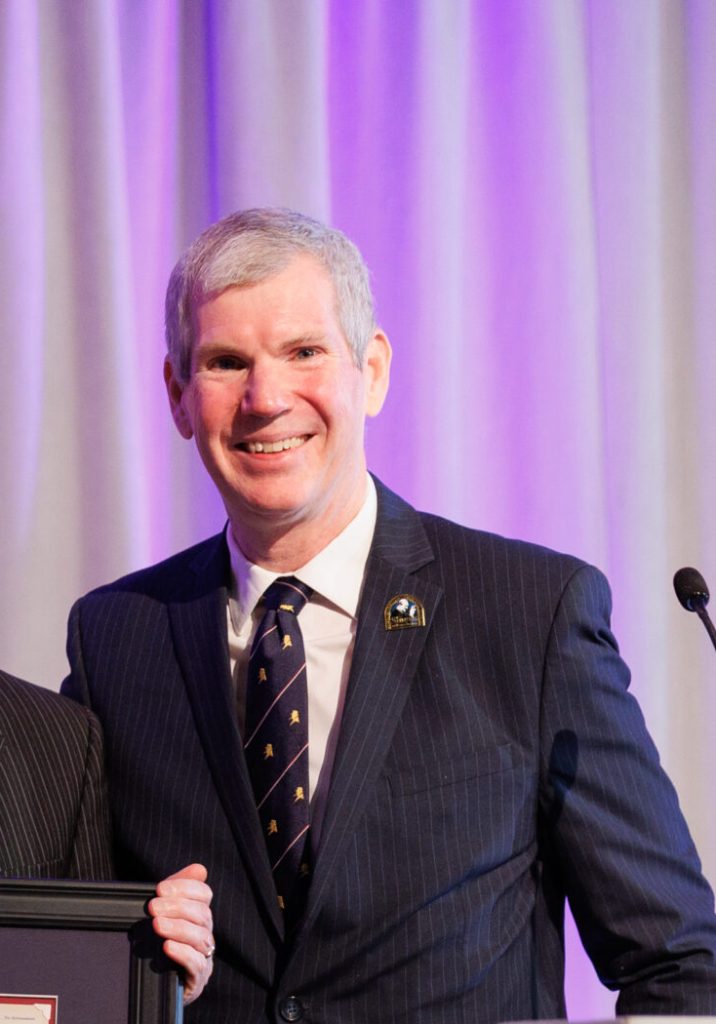
The Hottest Ticket in Town, 1946 By Donald P. Lofe, Jr. President and Chief Transformation Officer and Churchill Fellow, Westminster CollegeDirector, International Churchill Societ...
copyright: Reproduced from The Broadwater Collection with the permission of Curtis Brown Group Ltd, London, on behalf of The Broadwater Collection Original held at The Churchill Archives Centre, Churchill...
I shall endeavor to marshal British opinion against a course of action which would bring in my opinion the greatest evils upon the people of India, upon the people of Great Britain and upon the British Empire itself.
Dictators ride to and fro upon tigers from which they dare not dismount. And the tigers are getting hungry.
Churchill was undoubtedly the most famous opponent of appeasement but he was not alone Whitehall insiders risked the wrath of their political masters to supply him with information on British policy and...
Churchill enjoying one of his cigars at the Potsdam Conference, 1952 copyright: Wikimedia Commons: German Federal Archive...
One would have thought that if there was one cause in the world which the Conservative party would have hastened to defend, it would be the cause of the British Empire in India … Our fight is hard. It will also be long … But win or lose, we must do our duty. If the British people are to lose their Indian Empire, they shall do so with their eyes open.
When Hitler began, Germany lay prostrate at the feet of the Allies. He may yet see the day when what is left of Europe will be prostrate at the feet of Germany.
Introduced by Richard M Langworth...
It was in his role as a senior statesman with considerable international prestige that Churchill felt he could influence global relations. He wanted, above all, to establish constructive relations with Moscow through ‘summit’ conferences of world leaders. He felt that face-to-face meetings – at the ‘summit’ – would be the best way to try to secure world peace, and so coined the term and set out his agenda. However, the ‘three’ with whom he had built rapport during the Second World War were no longer alongside him; Roosevelt had died in 1945 and Stalin, in 1953. Churchill was the sole remaining leader of the ‘grand alliance’. But, feeling strongly that it was only by negotiation that the nuclear arms race could be halted and détente established, he tried to re-establish that ’special relationship’ with the US and encouraged Eisenhower, who’d been elected President in 1952, to consider meeting up with the new Soviet leader, Khrushchev.
Get the Churchill Bulletin delivered to your inbox once a month.
Δ
Join the International Churchill Society today! Membership starts at just $29/year.