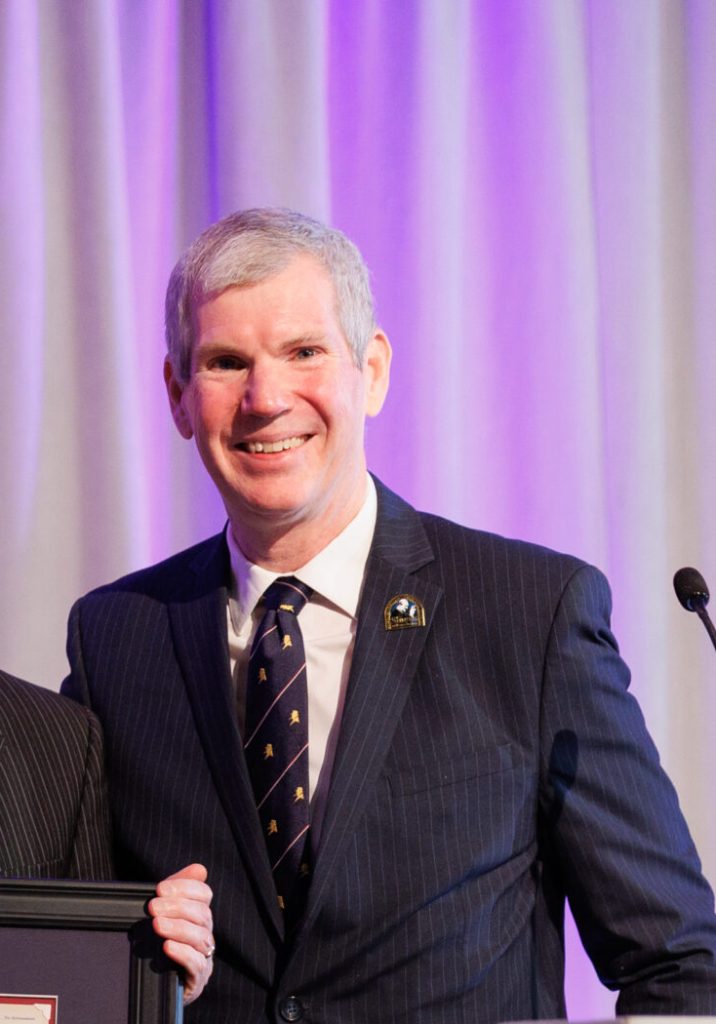
The Hottest Ticket in Town, 1946 By Donald P. Lofe, Jr. President and Chief Transformation Officer and Churchill Fellow, Westminster CollegeDirector, International Churchill Societ...
Let us therefore brace ourselves to our duties and so bear ourselves that if the British Empire and its Commonwealth lasts for a thousand years men will still say 'This was their finest hour'.
Danger gathers upon our path. We cannot afford – we have no right – to look back. We must look forward… The stronger the advocate of monarchical principle a man may be, the more zealously he must now endeavor to fortify the Throne and to give to His Majesty’s successor that strength which can only come from the love of a united nation and Empire.
I shall endeavor to marshal British opinion against a course of action which would bring in my opinion the greatest evils upon the people of India, upon the people of Great Britain and upon the British Empire itself.
It is with deep grief I watch the clattering down of the British Empire with all its glories and all the services it has rendered to mankind.
In handing over the Government of India to these so-called political classes, we are handing over to men of straw, of whom, in a few years, no trace will remain.
Notes for speech 23 February 1931, Winchester House, Epping, entitled ‘A Seditious Middle Temple Lawyer’, in which Churchill withdraws from the Conservative Business Committee...
Get the Churchill Bulletin delivered to your inbox once a month.
Δ
Join the International Churchill Society today! Membership starts at just $29/year.