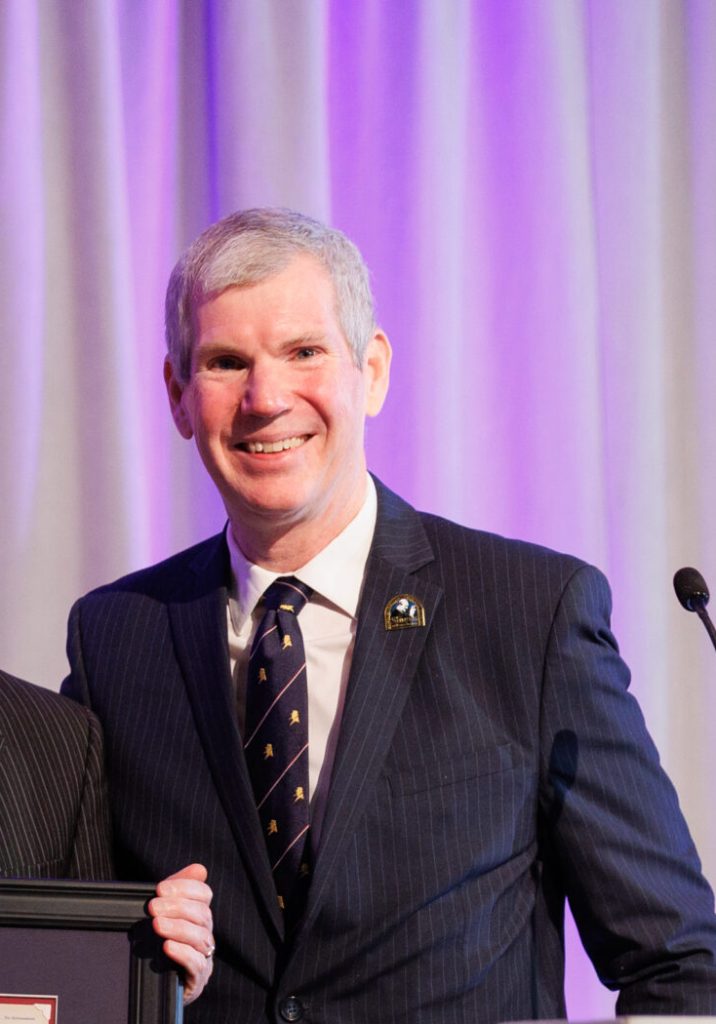
The Hottest Ticket in Town, 1946 By Donald P. Lofe, Jr. President and Chief Transformation Officer and Churchill Fellow, Westminster CollegeDirector, International Churchill Societ...
I will begin by saying what everybody would like to ignore or forget... we have sustained a total and unmitigated defeat... All is over. Silent, mournful, abandoned, broken, Czechoslovakia recedes into the darkness… We are in the presence of a disaster of the first magnitude which has befallen Great Britain and France. Do not let us blind ourselves to that… Do not suppose that this is the end. This is only the beginning of the reckoning.
V H Mottram’s (1932) gives recipes to help families economise: For the “really poor”, ingredients include white and brown bread, suet white flour, rice, tapioca, sago, potatoes, dates, currants and figs. For the “merely poor”: butter, parsnips, raisins, milk, sweet biscuits, some pork and beef. Those on a ‘moderate income’ could turn to (1937), with twelve menus for breakfasts, luncheons and dinners for all four seasons. Recipes included salmon mayonnaise, roast fowl, asparagus with cream sauce, oysters , fillets of Beef a la St Aubyn, roast partridge and all kinds of fish – fresh, saltwater and shellfish.
Here life itself, life at its best and healthiest, awaits the caprice of the bullet. Let us see the development of the day. All else may stand over, perhaps for ever. Existence is never so sweet as when it is at hazard.
I look like a down-and-out drunk who has been picked out of the gutter in the Strand.
The First World War was to provide the first major setback to Churchill’s political career. In December 1914, at the age of forty, Churchill was eager not just to run the Navy but to manage the war itself. Demonstrating his usual self-confidence, drive and determination, Churchill looked for creative ways to engage the enemy, including an attack on the Dardanelles Straits. The high-risk offensive operation went ahead. It soon became clear that the planning of the operation was beyond the capabilities of the British leaders.
I feel like an aeroplane at the end of its flight, in the dusk, with the petrol running out, in search of a safe landing.
Here was a place where real things were going on. Here was a scene of vital action. Here was a place where anything might happen. Here was a place where something would certainly happen. Here I might leave my bones.
By the early 1930s, Churchill no longer had a Government position. He opposed plans to give greater independence to India and seemed out of touch. Based at his beloved house at Chartwell in Kent, he continued to write books and newspaper articles, but many thought his political career was over. It was his vocal opposition to Hitler’s new Nazi dictatorship in Germany, and his calls for British rearmament, that gradually brought him back to public notice.
If I stay on for the time being, bearing the burden at my age, it is not because of love for power or office. I have had an ample share of both. If I stay it is because I have a feeling that I may, through things that have happened, have an influence about what I care about above all else, the building of a sure and lasting peace.
Get the Churchill Bulletin delivered to your inbox once a month.
Δ
Join the International Churchill Society today! Membership starts at just $29/year.