
The International Churchill Society’s forty-third conference will be held from October 15 to 17, 2026. This year, we recognize the 250th Anniversary of America and commemora...
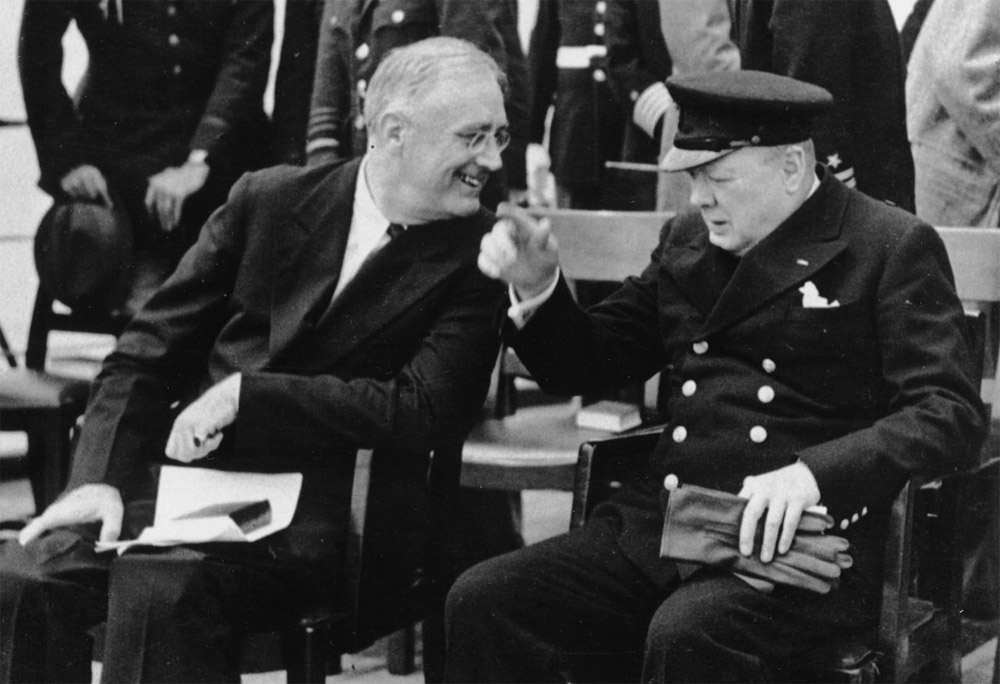
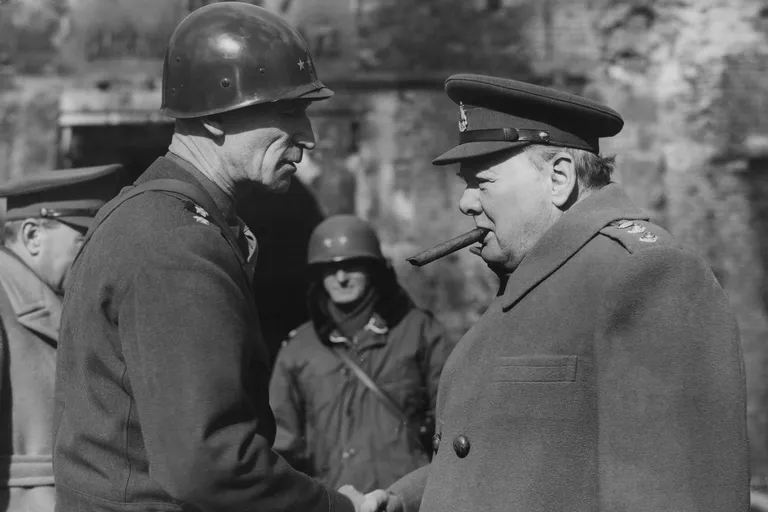
Finest Hour 192, Second Quarter 2021 Page 08 By David Freeman David Freeman is editor of Finest Hour. As Prime Minister, Winston Churchill had important working relationships with ...
The inaugural Poss Lecture to the International Churchill Society By Andrew Roberts At first glance, Winston Churchill’s stance on Russia seems to fit in well with his detractors...
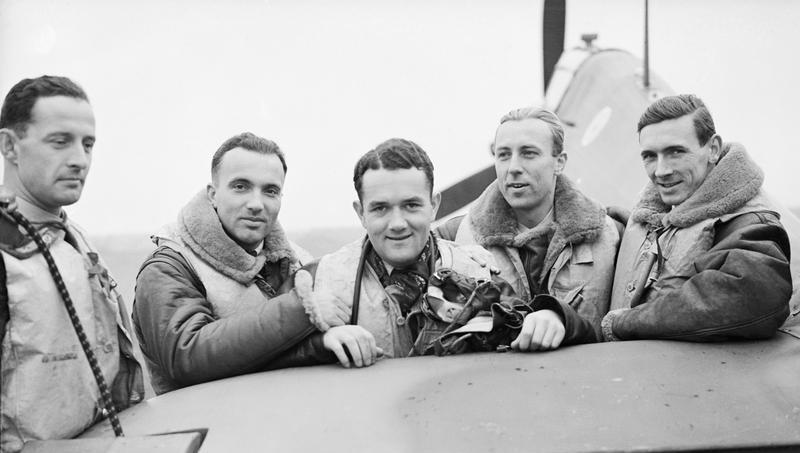
On 24 August, German night bombers aiming for the airfields accidentally destroyed several London homes, killing civilians. Churchill retaliated immediately by bombing Berlin the following night. Starting on 7 September 1940, London was bombed by the for 57 consecutive nights, and other British cities were targeted. But a real turning point in Britain’s fortunes in the war occurred on 15 September. In an attempt to shatter British morale, now that an invasion began to seem increasingly unrealistic, Hitler sent two enormous waves of German bombers. But their attacks were scattered by the RAF; the German defeat caused Hitler to order, two days later, the postponement of preparations for the invasion. In the face of mounting losses of men and aircraft, the switched from daylight to night-time bombing and although fighting continued in the air for several more weeks, and British cities continued to be bombed, German tactics to achieve air superiority ahead of an invasion had failed.
On 18 June, Churchill warned the British people that the ‘battle of France’ was over and the ‘battle of Britain’ was about to begin. His words were proved right. As early summer gave way to July and August, the threat of invasion loomed over Britain. Churchill, seeing that control of the skies was vital, put businessman Lord Beaverbrook in charge of Aircraft Production (as Minister) and encouraged British scientists to improve radar defences and counter German technology. In August, the Royal Air Force managed to inflict heavy casualties on the German and, in September, the German pilots transferred their attention from the coastal airfields and those in south-west England to London, allowing the fighter bases respite from attack but putting British people in the city at much greater risk. In early September a massive series of raids involving nearly four hundred German bombers and more than six hundred fighters targeted docks in London’s East End almost continuously, day and night. Listen to a reporter describing London in the Blitz, with St Paul’s Cathedral, its dome silhouetted against the ‘ruddy sky … almost like the Day of Judgement’. For more on the Battle of Britain, see the BBC collection in their online Archive of programmes and documents (including interviews from some of the battle’s heroes and film footage of the Spitfire and Hawker Hurricane fighter planes in action), . The turning point in Britain’s fortunes in the war was captured by Churchill’s famous speech in praise of the British men of the under-resourced Royal Air Force. But more was still to come.
The Battle of Britain began in July of 1940 shortly after Churchill became Prime Minister Nearly a month before the Battle of Britain began, Winston Churchill gave one of his [&hel...
We shall fight on the beaches, we shall fight on the landing grounds, we shall fight in the fields and in the streets, we shall fight in the hills, we shall never surrender.
Get the Churchill Bulletin delivered to your inbox once a month.

Join the International Churchill Society today! Membership starts at just $29/year.